Dunbar’s Number Explained
Why we can’t maintain unlimited relationships
If you’ve ever felt guilty for losing touch with people, you’re not alone.
Most of us believe that with enough effort, better reminders or more networking, we should be able to maintain every relationship we’ve ever built. Yet almost everyone has experienced the same thing: old colleagues fade away, conference connections disappear, and even good friends can quietly drift out of our lives.
The surprising part is that this isn’t simply a matter of motivation or organization. According to one of the most influential theories in social science, our brains have a natural limit to the number of meaningful relationships we can actively maintain.
That idea is known as Dunbar’s Number.
What is Dunbar’s Number?
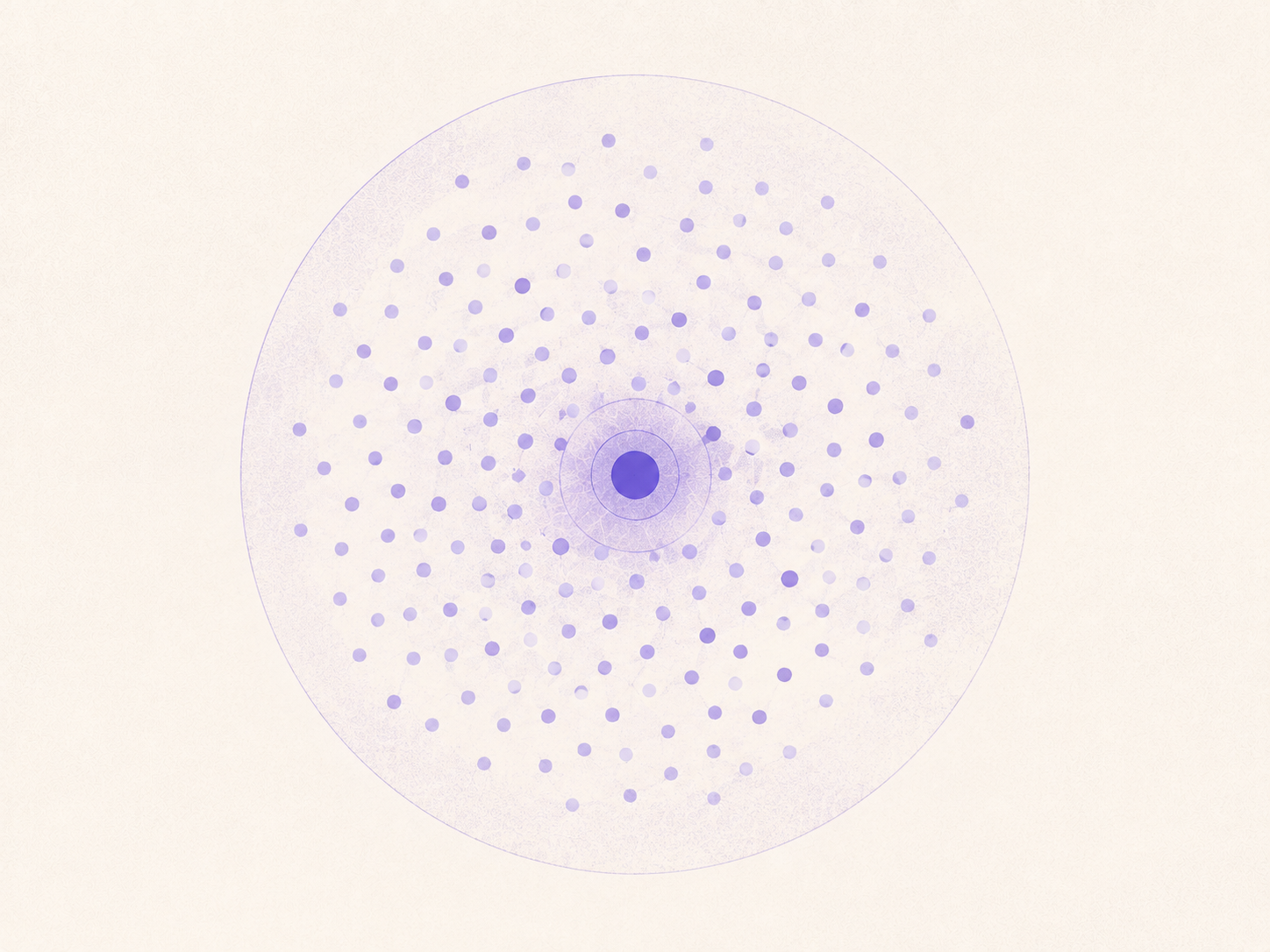
British anthropologist Robin Dunbar proposed that humans can comfortably maintain around 150 stable social relationships.
These aren’t just people you recognize. They’re individuals whose lives you understand well enough to maintain an ongoing relationship. People you could meet unexpectedly and continue a conversation without feeling like you’re starting over.
Social capacity
The exact number isn’t important. Some people maintain fewer relationships, while others manage slightly more. What matters is the principle: our social capacity is limited.
No matter how many people we meet, our attention remains finite.
Relationships exist in layers
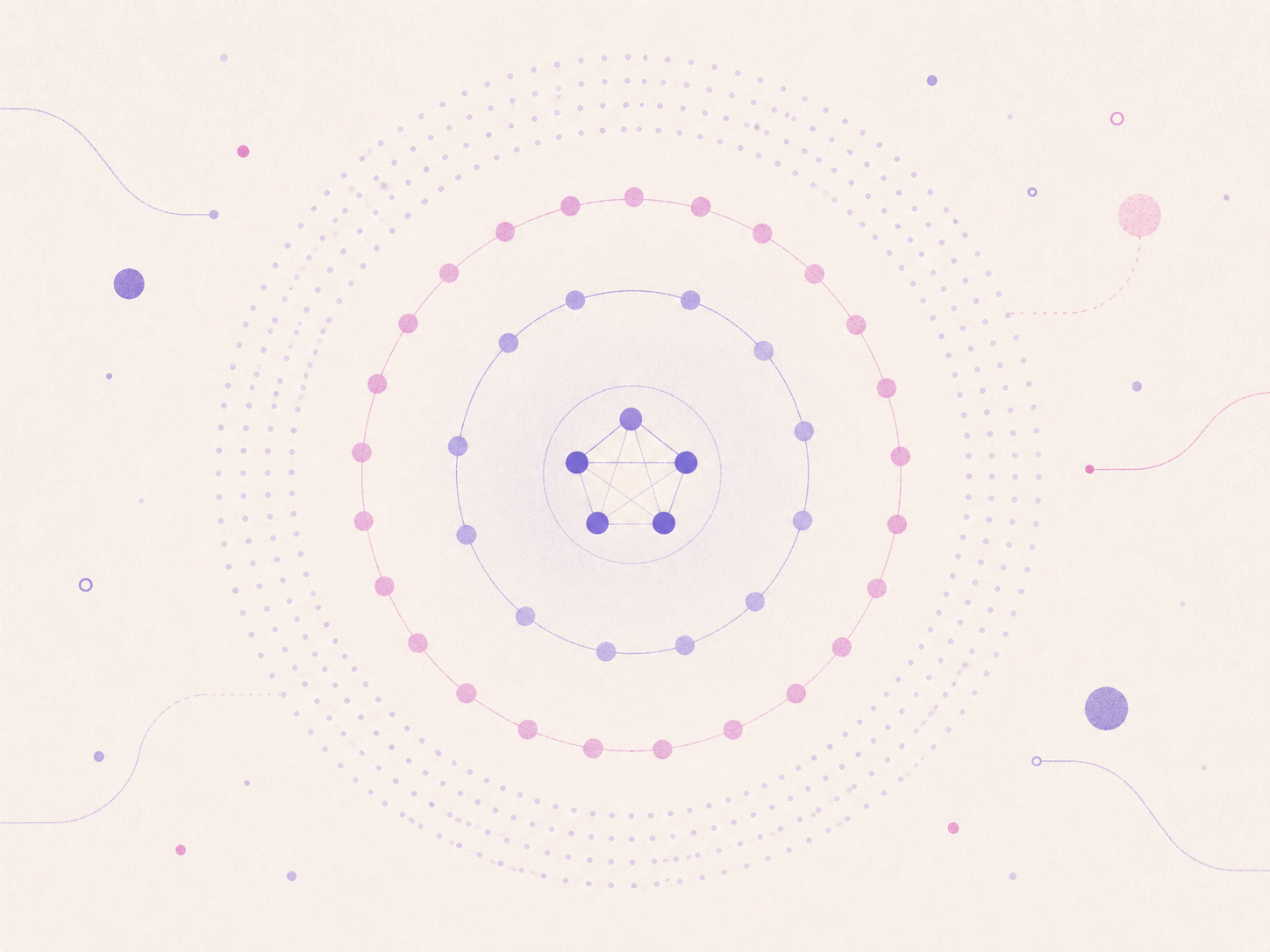
Dunbar also suggested that our social circles naturally organize themselves into layers.
At the center are the handful of people we trust the most. Surrounding them is a slightly larger group of close friends and family, followed by broader circles of meaningful relationships, acquaintances and professional contacts.
As each layer expands, the amount of time and attention we can devote to each person decreases. That’s simply how human relationships work.
The challenge isn’t deciding who matters. It’s finding ways to preserve meaningful connections as life becomes busier.
Why modern life makes this even harder
When Dunbar first introduced his research, social media didn’t exist.
Today we can collect thousands of LinkedIn connections, followers or contacts with almost no effort. Meeting people has become easier than ever, but maintaining those relationships hasn’t.
Every conference, coffee meeting, introduction or business trip adds another name to our network. Yet our cognitive capacity remains largely unchanged.
Technology has expanded our reach, but it hasn’t expanded our memory.
Remembering isn’t the same as recognizing
One of the biggest misconceptions about relationships is that recognition equals connection.
Seeing someone’s face on LinkedIn or recognizing a name in your contacts doesn’t necessarily mean you remember the relationship.
Real relationships are built on context.
Where did you meet?
What were they working on?
What did you talk about?
Who introduced you?
What happened the last time you spoke?

Those details are often the first things we forget, even though they’re the foundation of meaningful conversations.
Dunbar’s Number isn’t a reason to stop meeting people
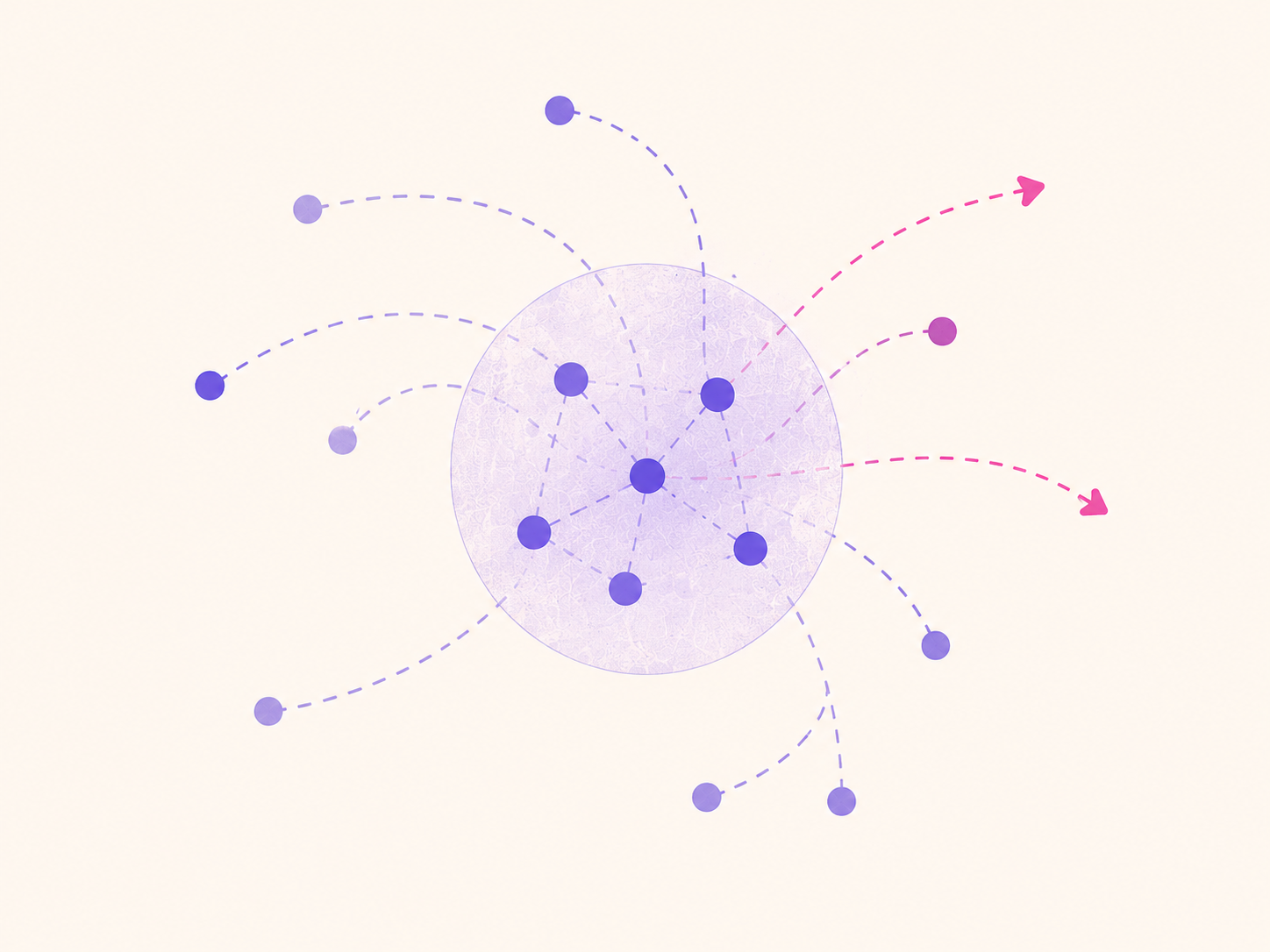
Some people interpret Dunbar’s Number as a limit on networking. It’s not!
Keep meeting people
You can meet thousands of people throughout your career. The question isn’t how many people you know. It’s how many relationships you can actively maintain at any given moment. Great networkers don’t remember everything. They build systems that help them remember what matters.
How Persodex fits into the picture
Persodex wasn’t built to increase Dunbar’s Number. It was built to make the relationships inside your network easier to remember. Instead of relying entirely on memory, you can preserve the context behind every interaction—where you met someone, what you discussed, what they’re working on and why that relationship matters to you.
Your brain is still responsible for building relationships. Persodex simply helps you remember the story behind them.
Relationships are limited. Memory doesn’t have to be.
Dunbar’s research reminds us that meaningful relationships require attention, not just access.
In a world where collecting contacts has become effortless, remembering people has become the real challenge.
The strongest networks aren’t necessarily the largest.
They’re the ones where conversations continue naturally, months or even years later, because someone remembered the details that mattered.
Frequently Asked Questions
-
Dunbar’s Number is the idea that humans can maintain roughly 150 stable social relationships. The concept was proposed by British anthropologist Robin Dunbar and has become one of the best-known theories in social network research.
-
No. The number is an estimate rather than a strict limit. The exact size of someone’s network varies depending on personality, lifestyle and profession, but the broader idea, that human social capacity is finite, is widely accepted.
-
Social media makes it easier to connect with more people, but research suggests it doesn’t significantly increase the number of meaningful relationships we can actively maintain.
-
Networking helps you meet new people, but maintaining those relationships requires time, attention and context. Dunbar’s Number highlights why remembering conversations and following up matters more than simply collecting contacts.